What Happens When UPI Becomes Part of Your Daily Money Routine?
UPI has changed the way many people handle everyday payments by making bank-to-bank transfers, QR payments, and merchant transactions easier to complete from a mobile device. Users who are also managing a Loan should keep repayment obligations separate from routine digital spending so that day-to-day expenses remain easier to monitor.
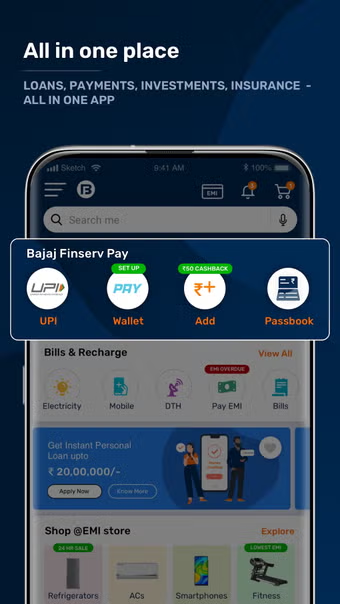
The convenience of UPI can make payments faster, but it can also make small expenses less noticeable. A practical routine should therefore combine secure payment habits, spending awareness, and regular transaction reviews.
UPI Makes Small Payments Feel Effortless
One of the biggest advantages of UPI is that even small transactions can be completed within seconds.
This is useful for:
- Grocery purchases
- Transport
- Utility bills
- Mobile recharges
- Restaurant payments
- Online shopping
- Peer-to-peer transfers
The same convenience can also encourage frequent spending, so users should remain aware of how often they use UPI during the day.
Start by Checking the Recipient
Before confirming a payment, users should verify the recipient name displayed on the screen.
This is especially important when using a QR code or paying someone for the first time. If the name does not match the intended recipient, the payment should not be completed until the details are clarified.
Fast payments still require careful verification.
Treat the UPI PIN as Private
The UPI PIN should never be shared with another person.
It is generally used to authorise outgoing transactions, so users should be cautious if someone asks them to enter a PIN to receive money. Refunds or incoming payments should not require disclosure of the PIN.
This simple distinction can help users identify suspicious requests.
Review the Amount Before Paying
A wrong amount can be difficult to reverse.
Before confirming, users should check:
- Recipient name
- Payment amount
- Bank account selected
- Purpose of payment
- Transaction note, if relevant
This becomes more important as transaction values increase.
Keep Routine Payments Organised
UPI can be used for many different expenses, but users should avoid letting all transactions blend together.
One useful approach is to classify payments into:
- Essentials
- Bills
- Food
- Travel
- Shopping
- Subscriptions
- Other discretionary spending
This can make monthly budgeting easier.
Check Pending Payments Before Retrying
A payment may sometimes remain pending because of a bank or network delay.
Users should first check transaction history and the linked bank account before repeating the payment. If the first transaction later succeeds, a second attempt may create a duplicate payment.
It is better to verify status before trying again.
Use Transaction History as a Spending Tool
UPI history can provide a useful record of everyday spending.
Instead of checking only whether payments succeeded, users can periodically review how much was spent across different categories. This can reveal spending patterns that are easy to miss during individual transactions.
Small payments can add up significantly over a month.
Create a Weekly UPI Spending Review
A short review once a week can help users stay aware of digital spending.
Useful questions include:
- How much did I spend?
- Which category was highest?
- Were any payments unnecessary?
- Did any subscription renew?
- Were there duplicate transactions?
- Was any payment still pending?
This routine can improve budgeting without requiring constant monitoring.
Keep UPI Separate From Credit Decisions
UPI is a payment method, not a source of income.
If regular UPI spending repeatedly exceeds available cash, the answer is usually not to rely on additional borrowing. Users should first review whether expenses can be reduced or reorganised.
Borrowing should address a defined financial requirement rather than daily overspending.
Be Careful With Collect Requests
A collect request allows another user or merchant to ask for money through UPI.
These requests should only be approved when the sender and purpose are clearly recognised. Unknown collect requests may be fraudulent.
Users should never approve a request simply because it appears inside the payment app.
Verify QR Codes
QR payments are convenient, but the code should belong to the intended recipient.
Users should confirm the merchant name shown after scanning. If anything looks different or unfamiliar, the transaction should be paused.
The physical presence of a QR code does not automatically make it trustworthy.
Avoid Public Networks for Financial Transactions
Public Wi-Fi may not always provide the same security as a trusted private network.
When possible, users should make financial transactions using mobile data or a secure home connection. Devices and apps should also be kept updated.
Payment security depends partly on device security.
Keep the Phone Protected
A secure phone lock adds another layer of protection.
Users can use available PIN, password, or biometric security. Payment apps may also support separate authentication.
If the device is lost, strong access controls can reduce the risk of unauthorised use.
Be Cautious With Fake Payment Screenshots
A screenshot is not always proof that money has been received.
Merchants and individuals should verify the actual transaction status in the receiving account. Screenshots can be altered or may show an incomplete transaction.
Account confirmation is more reliable than visual proof alone.
Set Limits for Discretionary Spending
Because UPI payments are quick, users may benefit from setting personal spending limits.
For example, a weekly budget for food delivery or entertainment can make spending easier to control. Once the limit is reached, users can delay non-essential purchases.
This introduces a deliberate pause into otherwise instant spending.
Review Subscriptions
Some subscriptions may be paid automatically or regularly through digital payment methods.
Users should periodically check whether all active services are still needed. Cancelling unused memberships can reduce monthly expenses without affecting essential payments.
Recurring spending deserves the same attention as one-time purchases.
Keep a Backup Payment Method
UPI can occasionally be affected by technical or bank-related issues.
Having an alternative payment method can be useful for urgent transactions. This may include another supported digital method or a different bank account.
A backup reduces dependence on one payment channel.
Save References for Important Payments
For large payments or important bills, transaction references should be retained until the recipient confirms receipt.
This can make follow-up easier if the payment is delayed. Digital receipts are particularly useful for utilities, education, insurance, or other important obligations.
Good record-keeping can prevent unnecessary confusion.
Watch for Urgent Fraud Messages
Fraudsters may send messages claiming that immediate payment is required to avoid service disconnection or account suspension.
Users should verify such claims independently through official channels. Suspicious links should not be used for payments.
Artificial urgency is a common tactic in digital fraud.
Avoid Sharing OTPs or Passwords
UPI PINs are not the only information that should remain private.
Users should also protect:
- OTPs
- Bank passwords
- Card details
- Login credentials
- Device PINs
Legitimate support teams should not ask users to share sensitive authentication information.
Review Monthly Spending Trends
At the end of each month, users can compare current UPI spending with previous months.
A noticeable rise may indicate higher household expenses, increased discretionary spending, or new subscriptions. Understanding the reason makes it easier to adjust the next month’s budget.
Trends provide more insight than isolated transactions.
Use UPI as a Tool, Not a Spending Trigger
The purpose of UPI is to make payments easier.
It should not become a reason to spend more frequently simply because cash is not physically leaving the wallet. Every payment still reduces the available bank balance.
Maintaining this awareness can improve financial discipline.
Conclusion
UPI can make everyday payments faster and easier, but its real value comes from combining convenience with strong security and spending awareness. Recipient verification, transaction reviews, secure PIN handling, and clear budgeting can make digital payments more reliable.
If a larger financial need arises and borrowing is being considered through a Personal Loan App, users should assess repayment capacity, interest, fees, and tenure separately. UPI should remain a payment tool, while borrowing decisions should follow their own financial planning process.